
This post may contain affiliate links, which means I may receive a commission if you make a purchase using these links, at no additional cost to you.
Do you ever worry about where your next meal is coming from — not in an emergency-preparedness way, just in a quiet, nagging, “grocery prices again” kind of way?
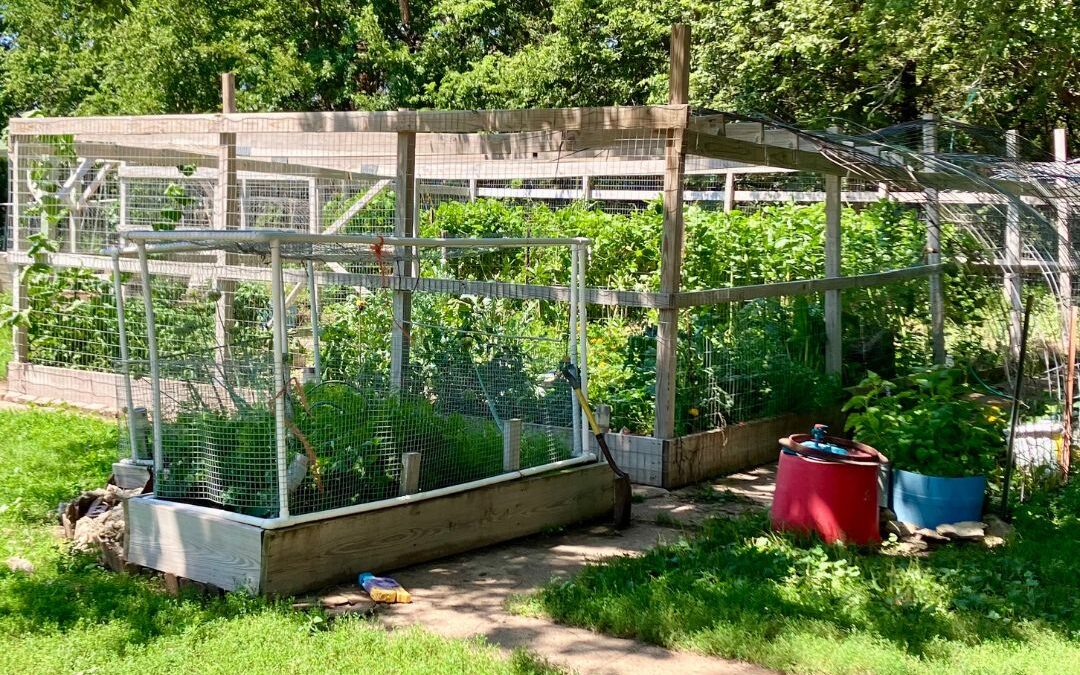
I didn’t set out to build food security. I built it out of necessity, back in 2019, when our income dropped and a small garden with my grandmother’s old tomato cages became our plan B. What started as survival turned into one of the steadiest things in our whole homestead life. And I want that for you too, whatever brought you to this series.
This is the final post in our Growing It mini-series, and I wanted to close it out by tying everything together — because growing your own food isn’t just a hobby or a nice-to-have. It’s real food security, and it’s more within reach than you think.
What Food Security Really Means (And Why It’s Getting Harder)
Food security means having reliable access to enough affordable, nutritious food. Simple to define, harder to guarantee lately. In 2024, food insecurity climbed to 13.7% of U.S. households — the highest rate recorded in a decade. With grocery prices, inflation, and supply chains all still unpredictable, that number isn’t likely to shrink on its own.
That’s exactly why growing even a portion of your own food matters. You don’t need a farm. You need a plan.
You Can Grow Food Security Wherever You Are
No matter where you live, some amount of growing your own food is possible. If you’re in an apartment, vertical growing towers can produce a surprising amount of food in almost no floor space. A balcony can hold a small raised bed. If space is tight, the square foot gardening method is worth learning — it packs a lot of production into very little room.
If you have a yard, even a small one, and your city ordinances allow it, chickens or bees add another layer. Chickens give you a protein source; bees give you a sweetener and better pollination for everything else you’re growing. Both make the whole system more productive, not just your own plate.
Cut Reliance on Processed Foods Before Your Garden Even Produces
You don’t have to wait for your first harvest to start building food security. Shifting toward whole foods — fresh and frozen vegetables, fruit, potatoes, squash — starts paying off immediately. These foods are minimally processed, if at all, and genuinely nourish your body instead of just filling it.
Try shopping the outside aisles of the store instead of the middle ones. As you eat fewer processed foods, you’ll likely notice you crave the boxed meals less — your body responds differently when it’s actually being fed instead of just filled. It’s better for your health, and it’s better for your grocery bill.
Buy in Bulk, Store What You Grow
Buying in bulk, when you can, is one of the most efficient ways to keep your pantry full without draining your budget. But bulk buying and homegrown harvests both come with the same next question: how do you actually store it?
Squash and potatoes can go straight into a cool, dry basement and keep for months — check on them occasionally, but they’ll hold. Most other fruits and vegetables do best vacuum sealed and frozen. Vacuum sealing is the fastest, most effective way to lock in nutritional value, though a few things, like carrots, need to be blanched first. Others, like Brussels sprouts, don’t need that extra step at all.
Vacuum sealing is honestly one of the biggest reasons our garden actually feeds us through winter instead of just through harvest season. I use a Nesco Vacuum Sealer for exactly this — it’s what turns a good harvest into months of groceries instead of a few weeks.
A Simple Meal That Puts It All Together
One of my go-to meals when I want something nutrient-packed and easy is a one-pan roasted medley — homegrown or store-bought, it works either way:
- Place a protein — chicken breasts are my usual pick, though ground meat works too — on a large baking pan.
- Drizzle with oil, and season with salt, rosemary, pepper, and garlic.
- Add vegetables. Brussels sprouts, broccoli, and cauliflower all roast beautifully, or use whatever’s ready from the garden.
- Bake at 350°F until the meat is done, usually at least 30 minutes. It also works as a skillet meal on the stovetop if you want something faster.
That’s it. One pan, real food, minimal effort.
Food Security Starts With What You Grow, Store, and Cook
That’s really the whole Growing It series in one sentence. Whether it’s a windowsill herb pot, a rocky first garden, a polyculture orchard, or a well-planned spring bed, every bit of it adds up to the same thing: more control over what your family eats and where it comes from.
You don’t need to do all of it. You just need to start with what you can, where you are.
As I’ve grown as an entrepreneur, mom, gardener, and livestock owner, I struggled to find a planner that met my needs and kept me organized. So, I MADE MY OWN. You can look at it on the link below and buy it on Amazon.
Don’t want the whole calendar part? I got you! I pulled the gardening and animal care pages out and put them in a book all their own.
Wanting a community to lean into? Join the FREE Thriving Through Farm Life: Wife’s Support Network! In our community, we embrace the challenges of farm life and provide a supportive space for wives facing the complexities of managing a family farm. Whether you’re navigating financial pressures, day-to-day operations, or seeking ways to create a thriving home, we’re here for you. Explore garden and preservation tips for cultivating your oasis, share insights on animal care, and discover practical family budgeting strategies. Together, let’s grow through challenges, flourish authentically, and sow the seeds for a resilient and thriving farm life. Join us on this journey of resilience and abundance!