
This post may contain affiliate links, which means I may receive a commission if you make a purchase using these links, at no additional cost to you.
It’s tempting to close the book on gardening the minute the first frost hits and not think about it again until March.
But some of the best garden prep doesn’t happen in the frantic scramble of early spring — it happens now, in the slower months, while you actually have time to think instead of rushing to get seeds in the ground before it’s too late. Here’s what’s worth planning for before spring gets here, so when the season actually arrives, you’re ready instead of behind.
Decide Now Whether You’ll Need to Till
If your garden beds had a rough year of compaction — heavy rain, foot traffic, whatever it was — tilling helps break that up and improve drainage, aeration, and nutrient absorption so your plants get a good start. You don’t have to till today, but you do want to decide now whether you’ll need to, and when. Some people till in the fall before the ground freezes; others wait until early spring; and some choose not to till at all, relying on mulch and no-dig methods instead. Either way, put it on the calendar instead of leaving it as a surprise task come planting season. And when you do till, go easy — over-tilling damages plant roots and the beneficial organisms, like earthworms, that are doing good work in your soil.
Source Your Mulch Before the Spring Rush
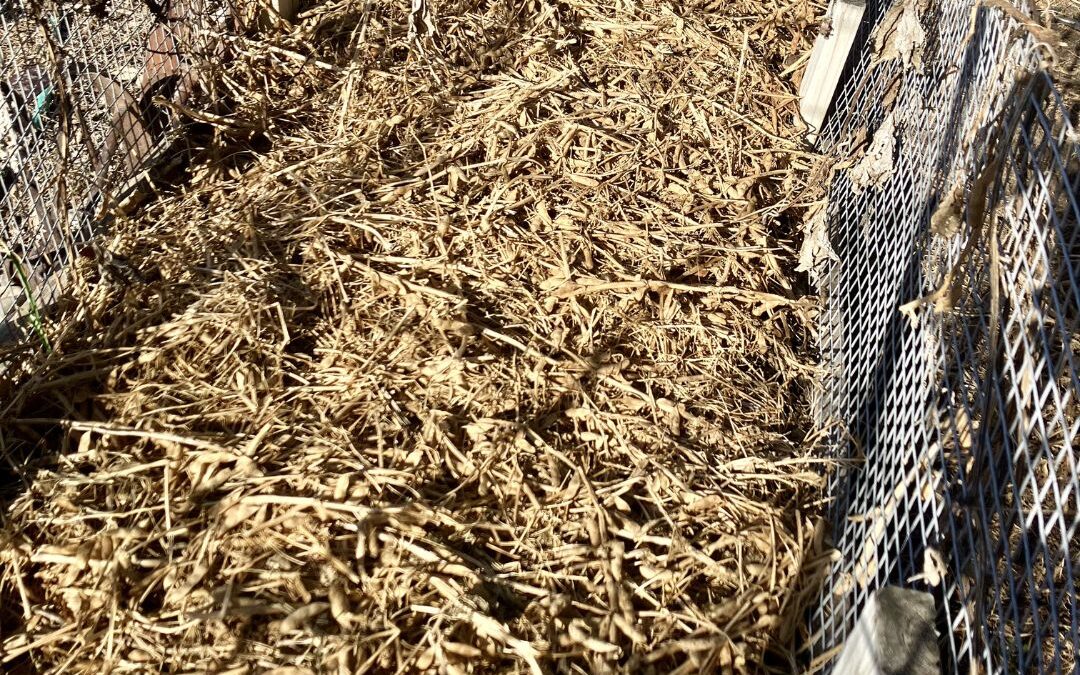
Mulch keeps weeds down and moisture in, and it makes your garden look tidy while it’s at it. The mistake is waiting until spring to think about it, when everyone else is buying it too and the good, chemical-free options are picked over. Straw, shredded bark — whatever you use, make sure it’s organic and free of contaminants, and get it sourced or ordered now while you have the time to shop around instead of grabbing whatever’s left.
Test Your Soil This Fall
Fall is actually a better time to test your soil than spring. A basic soil test tells you your pH and where you’re low on nutrients, and if you find out now, you have all winter to work in the amendments — lime, compost, whatever your soil needs — instead of trying to fix it in the two weeks before you want to plant. Most county extension offices offer soil testing for a small fee, and home test kits work fine for a general read if you just want a starting point. If your test shows your soil needs a boost, this is also the perfect window to get a cover crop in — something like clover or winter rye planted now will protect the soil over winter and work nutrients back in by the time you’re ready to plant next spring. Knowing what your soil needs now means you’re not guessing come spring.
Learn Your Soil’s Wake-Up Numbers
You don’t need to check soil temperature today, but you do want to know the numbers before you’re standing in the garden in April guessing. Cold-tolerant plants like potatoes, carrots, and lettuce can go in once the soil hits 50°F. Most other vegetables won’t germinate well until it reaches 70°F or higher. A simple soil thermometer, or a handheld infrared thermometer gun, will tell you exactly where you stand in seconds. Knowing these numbers now means spring planting becomes a quick check instead of a research project.
Map Out Your Garden While You Have Time to Think
This is the task that benefits most from being done now instead of in spring. Different plants need different things — full sun, partial shade, more space than you’d guess — and figuring that out takes a little research. Doing it in the quiet of fall, instead of under the pressure of “it’s already May and I haven’t planted anything,” makes for a much better plan. It also saves real time once planting season hits, especially if you’ve got kids who want to help — everyone already knows where things go instead of figuring it out plant in hand.
Mark Your Calendar to Clean Out Flower Beds — But Not Yet
Here’s one to write down and then leave alone: flower beds that got neglected over the growing season can wait for cleanup. Bees tend to overwinter under dead leaves and plant debris for protection, and you don’t want to disturb that shelter too early. Once temperatures climb consistently above freezing, usually around mid-April here, they’ll be out and about again, and it’s safe to clean up without displacing them. Put a reminder on the calendar for then, not now.
Get Your Seed Order and Planting Plan Ready to Go
Once you’ve got your tilling plan, your mulch sourced, your soil temperature numbers memorized, and your layout mapped out, the last piece is having your seeds and planting instructions ready before you need them. Read through seed package instructions now — some need light or darkness to germinate, some need warmer or cooler conditions than you’d expect — so you’re not reading fine print with dirt on your hands come spring. When the timing’s finally right, you just plant. I keep all of this — what needs started when, what goes in the ground and when — on the planting schedule worksheet in my Homesteading Planner, so seed starting and planting time is a matter of checking the page instead of trying to remember it all.
You Don’t Have to Do It All in One Frantic Spring Week
Getting ready for spring gardening doesn’t have to be a last-minute scramble. Decide on tilling, source your mulch, test your soil, learn your soil temperature numbers, map out your layout, mark the calendar for flower bed cleanup, and get your seed order squared away — all before spring even asks you to. When the season finally arrives, you’ll already be standing in the good kind of ready.
This is exactly the kind of planning I keep in my Homesteading Planner — the garden planning section alone covers layout maps, a seed starting tracker, budget sheets, and a planting schedule worksheet, so all of this lives in one place instead of scattered across sticky notes. It’s blank on purpose, so you can start mapping out next spring right now, whatever today’s date happens to be.
As I’ve grown as an entrepreneur, mom, gardener, and livestock owner, I struggled to find a planner that met my needs and kept me organized. So, I MADE MY OWN. You can look at it on the link below and buy it on Amazon.
Don’t want the whole calendar part? I got you! I pulled the gardening and animal care pages out and put them in a book all their own.
Wanting a community to lean into? Join the FREE Thriving Through Farm Life: Wife’s Support Network! In our community, we embrace the challenges of farm life and provide a supportive space for wives facing the complexities of managing a family farm. Whether you’re navigating financial pressures, day-to-day operations, or seeking ways to create a thriving home, we’re here for you. Explore garden and preservation tips for cultivating your oasis, share insights on animal care, and discover practical family budgeting strategies. Together, let’s grow through challenges, flourish authentically, and sow the seeds for a resilient and thriving farm life. Join us on this journey of resilience and abundance!