
This post may contain affiliate links, which means that I may receive a commission if you make a purchase using these links, with NO additional cost to you.
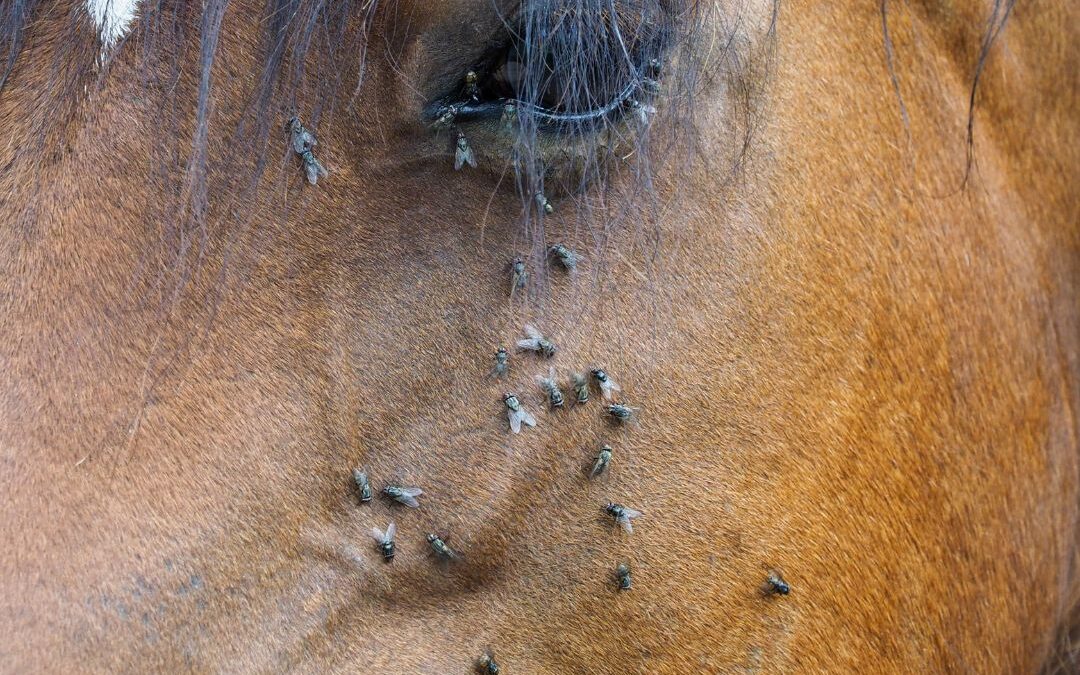
Last summer, I stood in my barn watching clouds of flies torment my animals and thought, “There has to be a better way.” I don’t like using chemicals and knew they didn’t work on their own from using them in feedlots.
That’s when I discovered something that changed everything: holistic fly management isn’t about one magic solution—it’s about creating a system that works with nature.
If you’re feeling overwhelmed by flies on your farm, this natural approach might be exactly what you need.
Why Go Natural?
When you’re already stretched thin financially and time-wise, natural fly management offers something different: a sustainable approach that gets better over time, costs less, and creates a healthier environment for your animals and family.
Think of it like tending a garden—you build healthy conditions where good things thrive and problems naturally diminish.
Your Natural Fly Control Toolkit
Nature’s Built-In Solution: Fly Predators
Fly predators are tiny beneficial wasps (smaller than a gnat) that hunt down and destroy fly larvae before they become adult flies. They’re like having invisible farmhands working 24/7. I use Spalding Labs. Mention Cassandra Row and use code GoodNeighbor10 for a 10% discount.
How to use: Order online and release every 3-4 weeks during fly season. The investment pays off quickly compared to constant spray purchases. Spalding takes care of this for you and ships them on the optimum schedule.
Feed-Through Larvicides (The Smart Way)
Short-acting feed-through larvicides prevent fly larvae from developing in manure without long-term residue concerns. Use them strategically during peak fly season as a temporary boost to your natural system.
Natural Repellents That Work
Garlic: Add to feed consistently. Garlic compounds are excreted through the skin, creating a natural repellent field around your animals.
Coconut Oil: Mix with feed or apply topically to problem areas like legs and bellies. It repels flies, conditions skin, and supports overall health. Buy in bulk during sales—it keeps well and has dozens of farm uses.
DIY Natural Fly Spray Recipe
This recipe has become my go-to for natural fly protection:
Ingredients:
- 1 capful Thieves household cleaner
- 15 drops Citronella
- 10 drops Purification
- 7 drops each: Peppermint, Eucalyptus Globulus, Cedarwood
- 6 drops each: Thyme, Rosemary, Lemongrass, Geranium
- 5 drops Tea Tree
Mix in spray bottle, add water to fill (16 oz), shake well before use.
The Game-Changer: Smart Manure Management
Use chickens as nature’s manure managers. They scratch through manure, eat fly larvae, and spread piles naturally while giving you fresh eggs. Even a few chickens following your larger animals make a significant difference.
Other tips:
- Compost manure properly (heat kills fly larvae)
- Keep manure areas as dry as possible
- Move piles regularly to disrupt fly life cycles
Important Caution: Ivermectin and Your System
While ivermectin is effective for parasite control, it persists in manure for weeks, killing beneficial insects along with parasites. This can disrupt your natural fly management system.
My approach: Use ivermectin when necessary, but time it carefully and supplement with other methods during the residue period.
Simple Seasonal Plan
Spring: Release first fly predators, begin feeding garlic, clean manure areas
Summer: Continue fly predator releases every 3-4 weeks, use feed-through larvicides during peak season, apply DIY spray as needed, apply coconut oil to legs for horses struggling with biting flies
Fall: Reduce releases as temperatures drop, deep clean barns, compost summer manure
Winter: Plan and order supplies for next season
Real Results
After implementing this approach:
- Fly populations dropped significantly in the first season
- Annual costs decreased compared to commercial sprays
- Animals are more comfortable and less stressed
- Time spent on fly control decreased as the system became self-sustaining
Start Simple
Feeling overwhelmed? Start with just one strategy:
- Begin with manure management – Biggest impact for your effort
- Try the DIY spray recipe – Inexpensive and immediately effective
- Add garlic to feed – Simple, affordable, beneficial beyond fly control
Remember, natural fly management is like growing a garden—it takes time to establish, but once it’s working, it maintains itself with minimal input.
The flies will always be part of farm life, but they don’t have to run your life. With patience, consistency, and these natural strategies, you can create a farm environment that’s comfortable for your animals and manageable for your family.
What’s your biggest fly challenge? I’d love to hear about your experiences with natural fly management in the comments below.
As I’ve grown as an entrepreneur, mom, gardener, and livestock owner, I struggled to find a planner that met my needs and kept me organized. So, I MADE MY OWN. You can look at it on the link below and buy it on Amazon.
Don’t want the whole calendar part? I got you! I pulled the gardening and animal care pages out and put them in a book all their own.
Wanting a community to lean into? Join the FREE Thriving Through Farm Life: Wife’s Support Network! In our community, we embrace the challenges of farm life and provide a supportive space for wives facing the complexities of managing a family farm. Whether you’re navigating financial pressures, day-to-day operations, or seeking ways to create a thriving home, we’re here for you. Explore garden and preservation tips for cultivating your oasis, share insights on animal care, and discover practical family budgeting strategies. Together, let’s grow through challenges, flourish authentically, and sow the seeds for a resilient and thriving farm life. Join us on this journey of resilience and abundance!